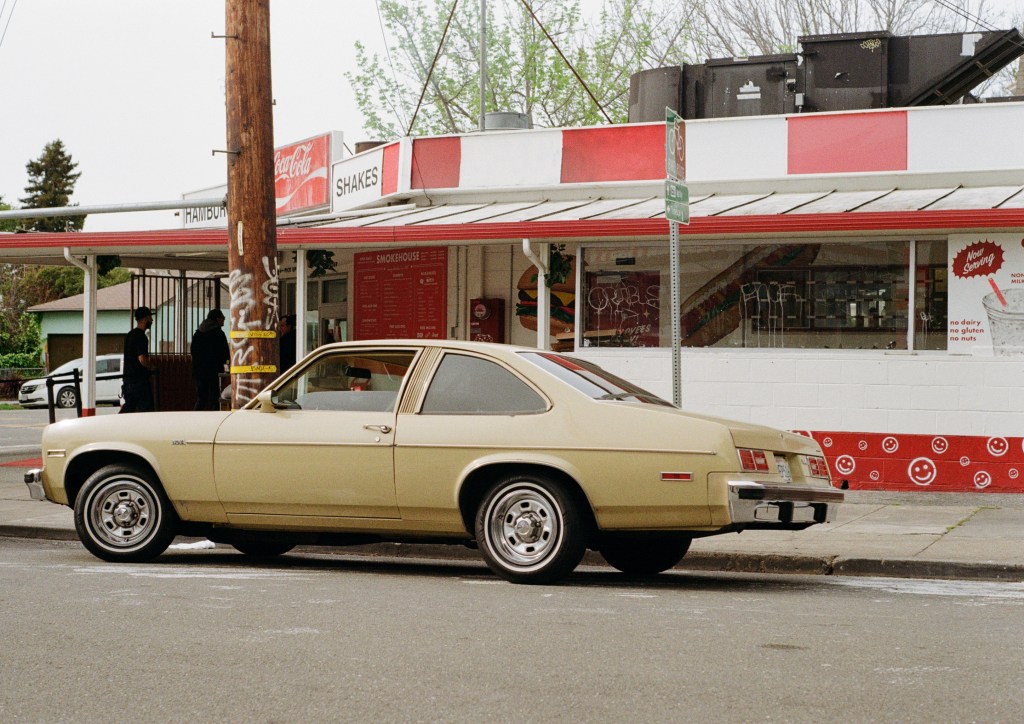
I know I’m resentful that over time, that I have been categorized as a “car photographer.” So much so, that in the last few years I’ve actively, with significant intention, tried to not shoot every piece of glittering chrome that I see out and about on the streets. I’m not big on reducing people, or objects even, to very narrow categories. I loathe it when others do so to me. Nothing will actively get me in combat mode more, honestly.
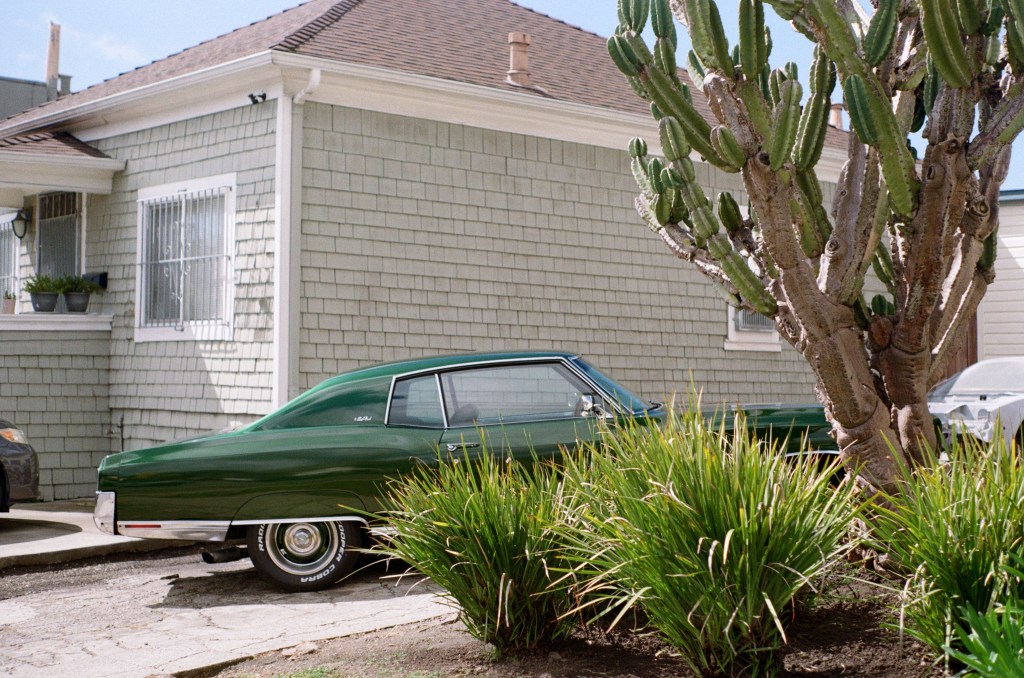
I also have to recognize, according to my mother, my first word was “Car” and not mom or dad. Even barely a year old I marveled at the mystique of individual movement that the automobile promised. I can look back now, and have been looking back with bittersweet fondness of why that might have been. The much talked about formative experiences I had surely related to why I found comfort on the go. It’s easy to see why The Love Bug became my favorite Disney movie, far outpacing my second (Lady & The Tramp). That movie engrained in me that a car could truly be your best friend, more loyal and perhaps, more heartbroken at your harm, than anything in the world.
I said to Ted, actually, don’t remember in the blur of grief in December whether I said it to more people, that my Godmother, a feisty Taurus that had her own fine taste in cars, would always grab me whenever she knew my parents were arguing. Whether it was simple errands to get away from the screaming, a jaunt to Baskin Robbins to ignore feelings with food, I relied on those adventures, windows down, whiff of pre-catalytic converter exhaust fumes, the intoxicating blend of warm vinyl in the afternoon sun.
Mourning her passing I just sat, in that, maybe I am too on some neurodivergence spectrum, or just a fucking human, and listened to YouTube clips of Datsun 240Z’s running through their rev range as drivers, off screen, so I could imagine it was my Godmother again, rowed the gears. I too wanted to return to a simpler time where I could run away from my problems. I loathed at the fact that I currently don’t have a car, Zipcar is expensive as hell, so I have to sit with myself more often than not.
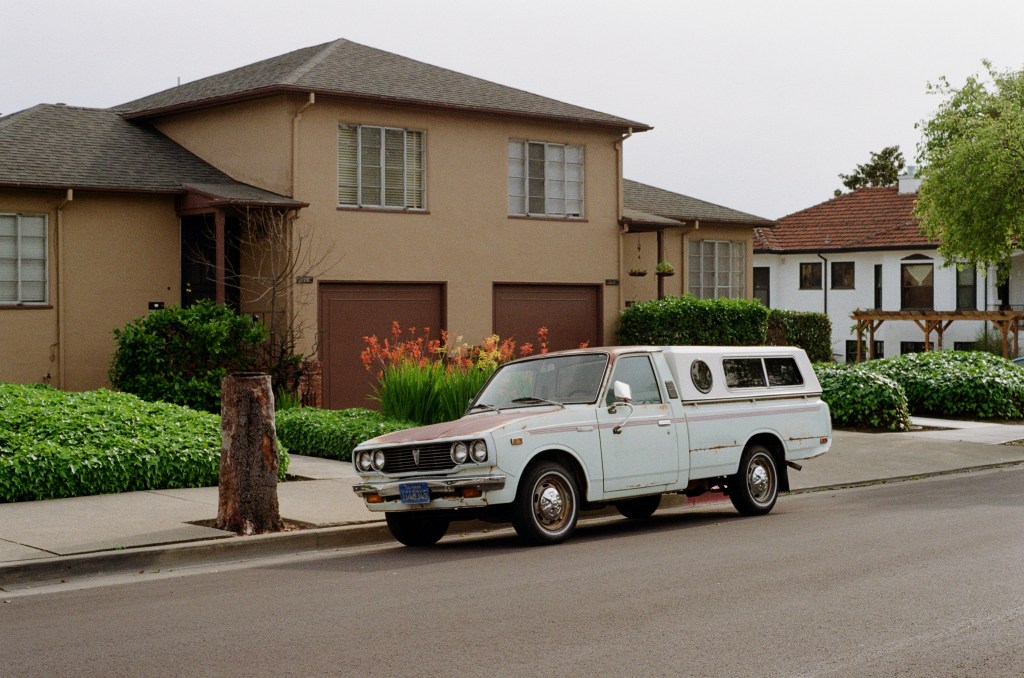
Anyone that has any powers of recall and has interfaced with a 240Z knows that particular Inline Six has a distinctive wail unlike any other. I noticed pets in the family could tell who was coming home or who was coming by before they entered the door. My Uncle Lawrence’s collie, Sandy, would always run to the garage door as the clacking of camshafts of his Isuzu pick up pulled up in the driveway. She’d ignore the faint hum of a later day, smog choked Rocket V8 as Aunt Ethel pulled her Cutlass in the Garage. I’ll let you make your own assessment of who thought Sandy was the pride and joy pooch versus who could have cared less whether the dog lived or died. Similarly, eventually, if not as instinctually I similarly started assigning cars to people I knew. I was lucky to know so many people with so many distinct cars.
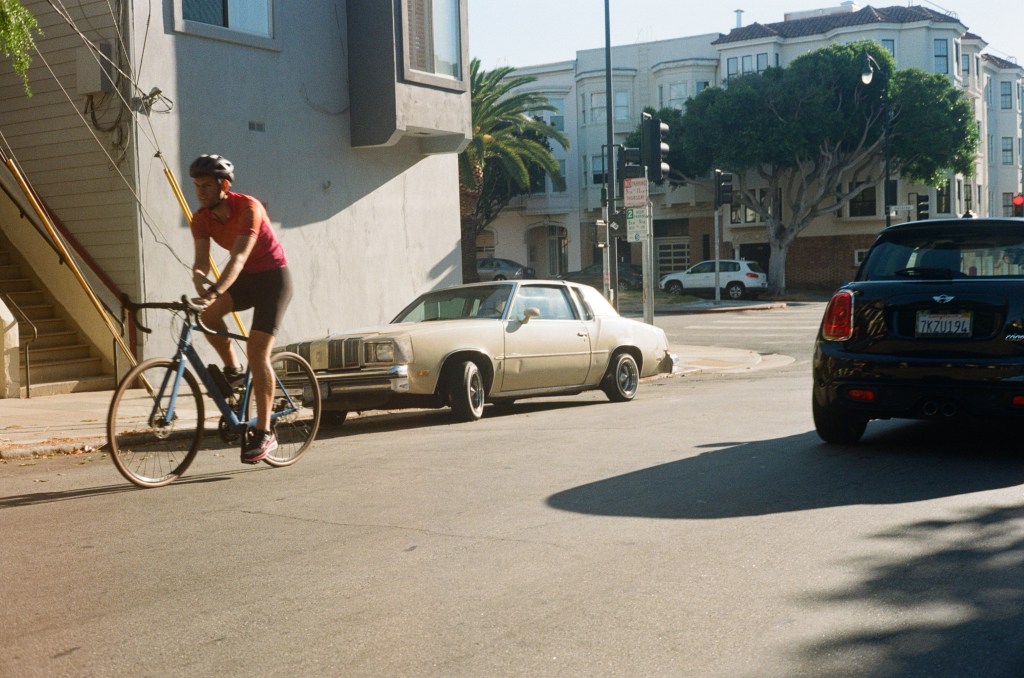
Ben Ahmad, our neighbor in across the street from my childhood home had a Rover 3500 SD1. I’d go on to know that rumble was a former Buick designed small Block V8 that had been around for 20 years mated to a 5 speed before it was installed in that said Rover. I imitated the dryer full of marbles sound of the exhaust note of Cassandra Lowery’s 1986 -Sable Station Wagon. I’ve developed a begrudging appreciation for the tough-as-nails, never say die longevity of Vulcan V6 engines out of a childhood memory burbling alongside one of the earliest ones on a Huffy. There’s so many last generation D186 Tauruses and Sables living out the latest iteration of being “roaches of the road” 20 years after the last one went for sale to the general buying public, each and every one of them equipped with a “Vulcan.”
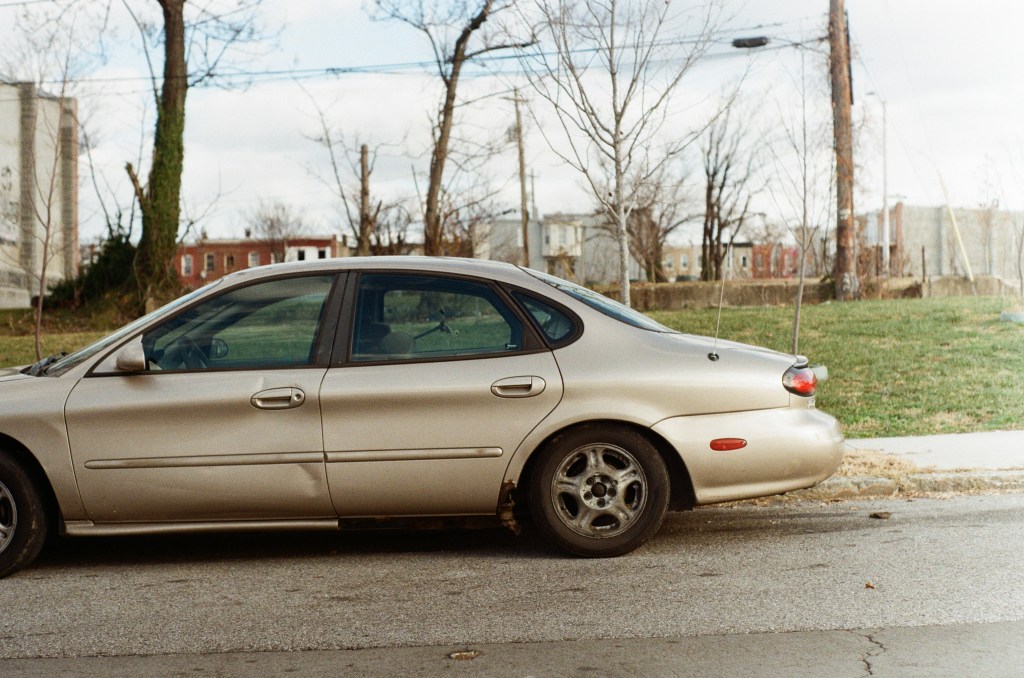
It shouldn’t surprise me that when I took up film photography, again, 15 or so years ago, that a weathered old car become the most reliable subjects I’d shoot. At the end of the day, I could relate a story about a number of them. Northern California, historically because of a climate that doesn’t cause as much rust as most of the rest of the globe, combined with a historically high cost of living (and in some cases income levels to meet the demands of such) many cars still roam these streets long beyond their planned obsolescence expiration dates. Hell, all but one of my motor vehicle choices or options in 27 years of driving has been an example of this. And I plan to do it again, regardless of where I end up.
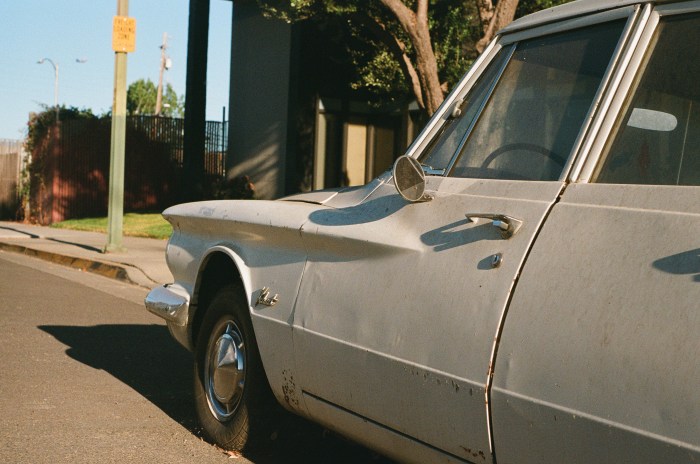
If I’m not lucky enough to get a bit of back story from the owner/parent/caretaker of those lumps of movement, I spent a lot of time studying what in context of how, why they exist, especially still, 25 years into a whole century different than the one that developed them. It’s left a lot of room open to ponder what kind of lives each vehicle represents. So many parts of the United States makes our dependency on the automobile vital. Even when transit advocates lambast the suburbs, they rarely look at the expanse of urban cities, the pressures of capitalism, the dangers of urgency culture pushed to the absolute brink, and have absolutely no sympathy for a car. I don’t care if they call me foolish for having some.
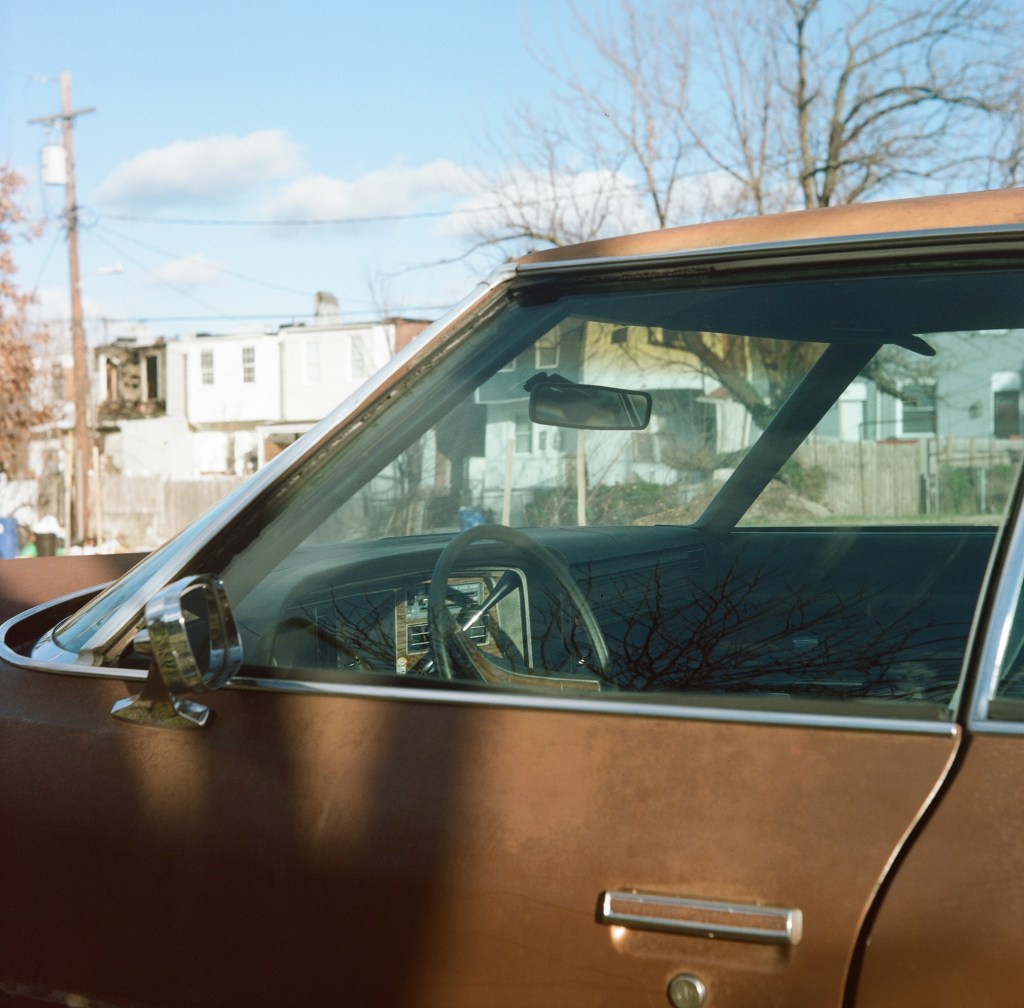
I understand, to a degree, scapegoating the product of an ill society is easier, intellectually, than looking at the larger looming realities. The automobile is a half assed compromise that allows many to survive the structures of capitalism. Bike lanes and a trolley to serve a very narrow few that make the most noises ends up in futility if there’s no abolishing of inequities in the first place. I’ve watched in the last 3 weeks the patently absurd central bike lane fiasco be removed from Valencia Street to make way for more WayMos in San Francisco. We served just a few villagers, but didn’t rebuild the village.
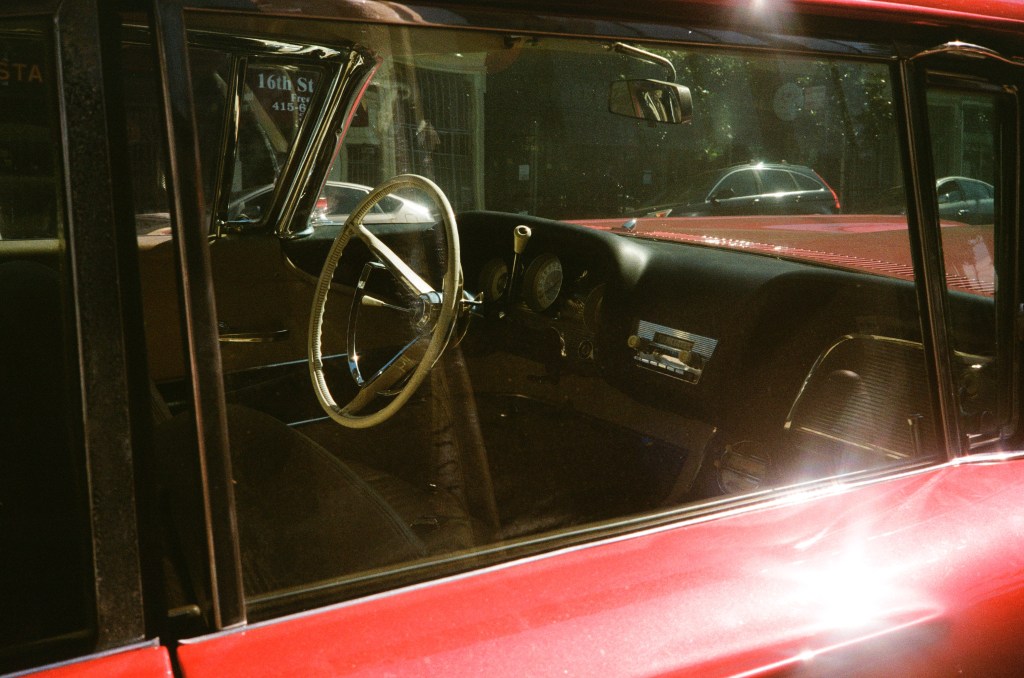
Where we could have let the pause that 2020 offered us a different reality? We could have revisioned a better future pretty quickly! A future where shuttered storefronts, some, for instance, shuttered for the better part of 50 years where streetcar stops used to be, could be repurposed. A small grocery store, pharmacy, clinic? A performing arts space? A neighborhood Library?
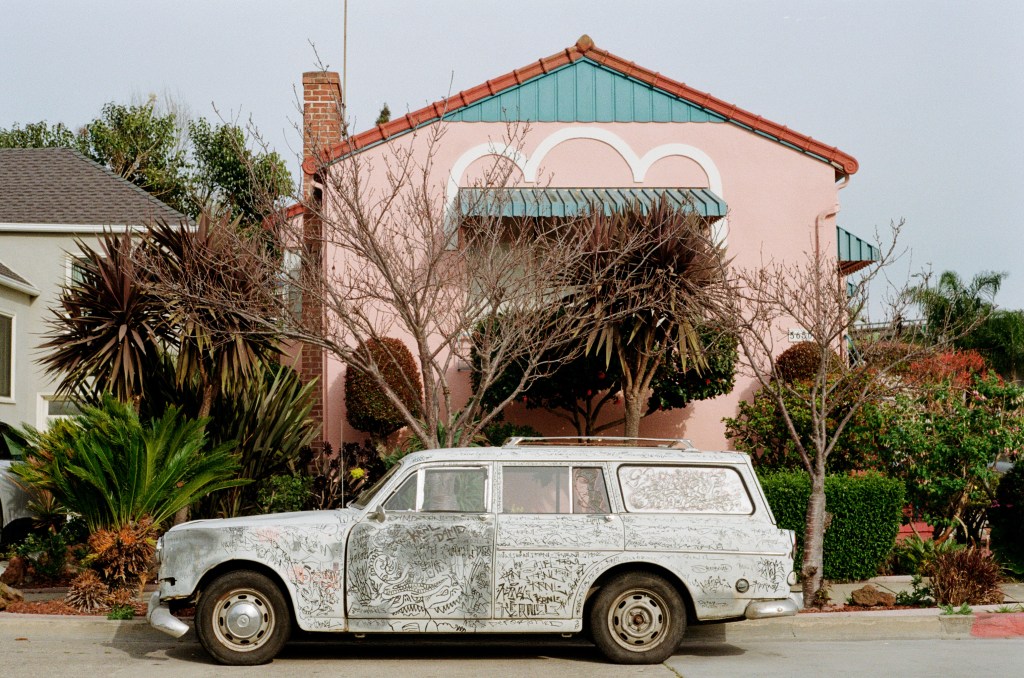
Ironically we still see these possibilities maintained as reality in many affluent and very white parts of Urban America. Why does anyone prize living in Montclair in Oakland, as isolated as it is in the Oakland Hills above 3 ribbons of Freeway, if it didn’t have its quaint little “main street” section (of admittedly a lot of bad food, untalented hairdressers and probably some of the best dry cleaners in the city).
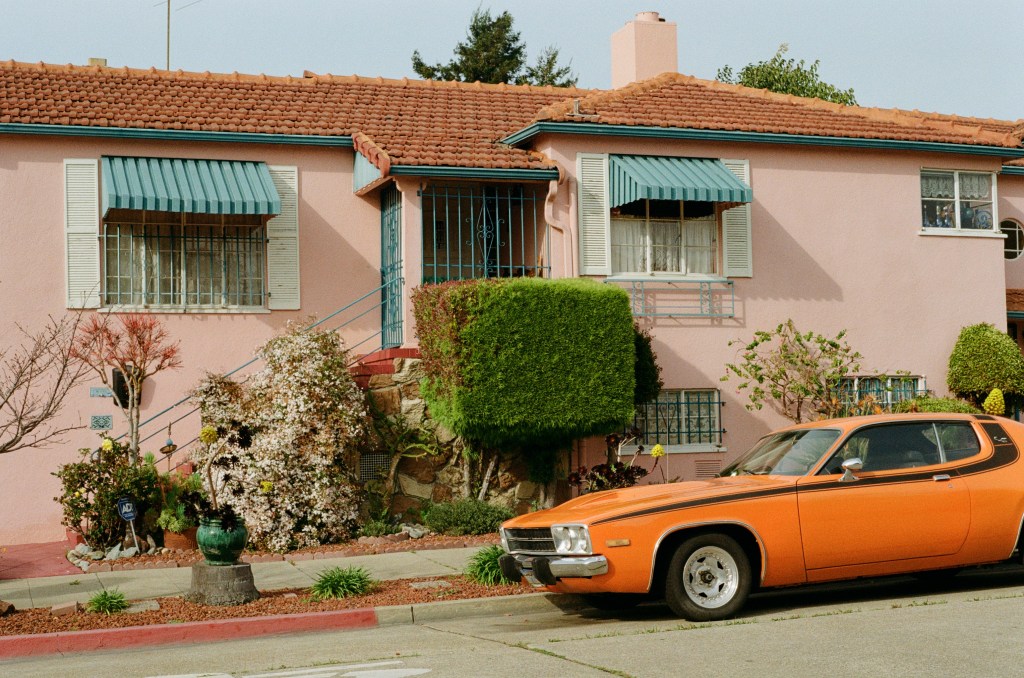
Every car that strikes my fascination has a narrative of why it might still be in service, what type of soft retirement it has before its shuttled off to a graveyard to be reborn as some other appliance. They often, as much as our entertainment, provide a history of where we were and what journeys we’ve had individually and collectively. Once upon a time, all the normies drove Chevy Impalas. For the better part of 30 years, it seems all the normies have dawdled between Camrys and Accords. I’m don’t know what the kids desire these days other than ride shares.
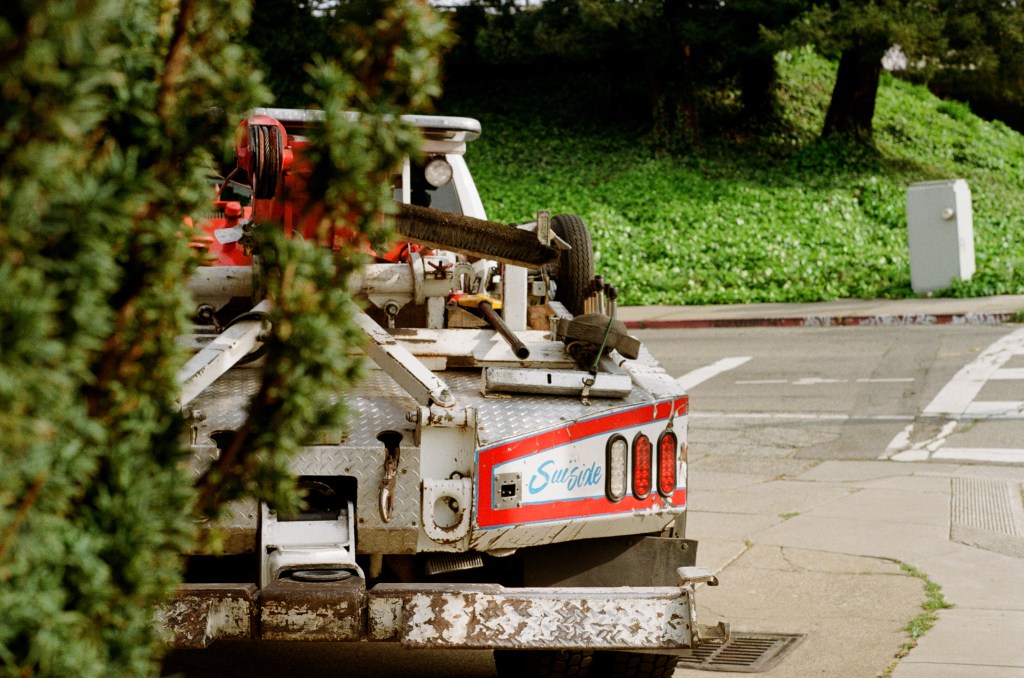
There’s always a story in those 4 wheels, some real, some that challenge my imagination in expansive ways. Ways that I think boggle and bore most people. This is where the reductionist take on what I’ve shot, and what I’ve shared over the years really started to burn. It brushes hardly on the threads of my life of “if I were listened to maybe I’d be better understood.” Older I’ve gotten, the more I realize that not everyone will get “it” and by proxy “you.”
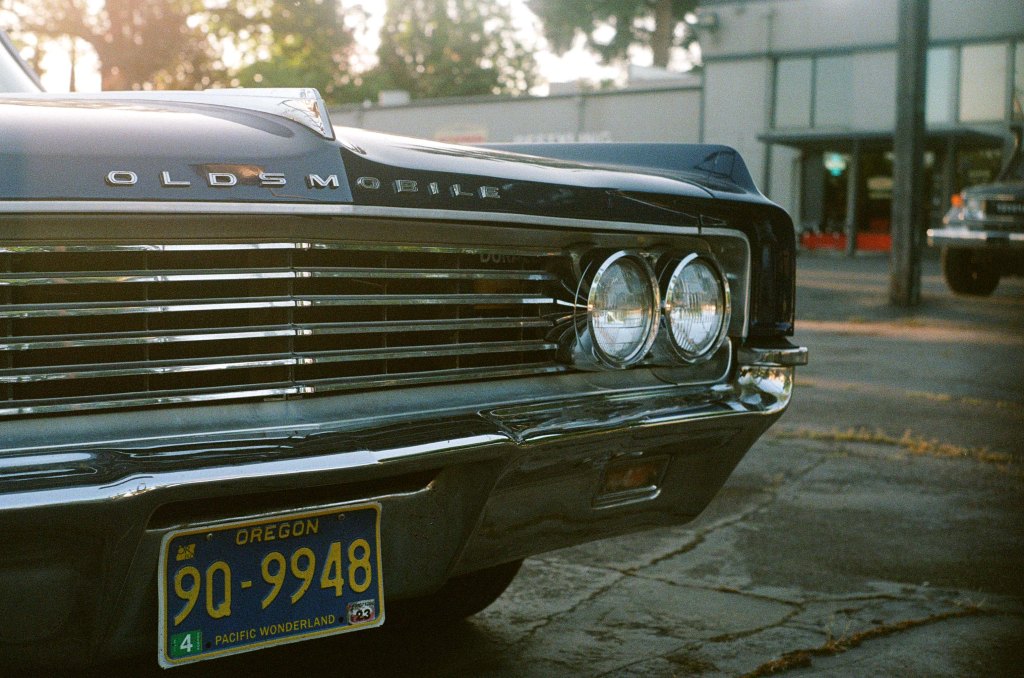
My whole disaster with Ori last year was really a moment of massive projections about what my art was to other Black Queer Folks I misjudged having any significant connection with. It was almost fully removed from who I was if I were to claim an artist™ identity. I had purposely made sure as few cars as possible were presented in the 20 or so images I selected, knowing it would be “a lot” to even wrap an exhibit in what I’ve wrote above. It left me with a bad taste in my mouth about ever presenting my creative work in established mediums, no matter what I create.
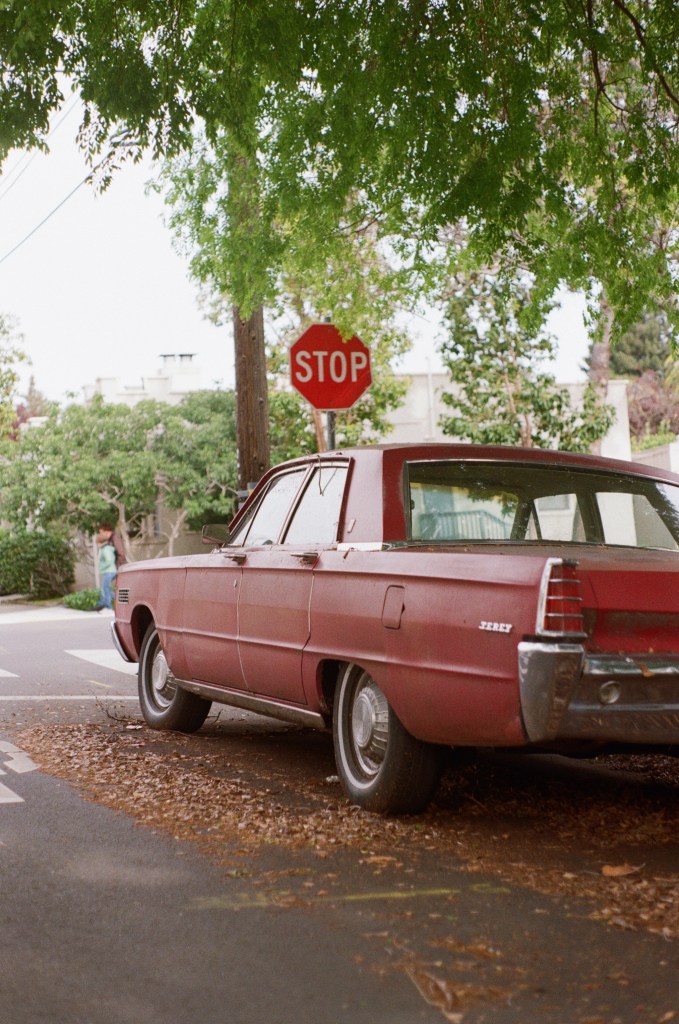
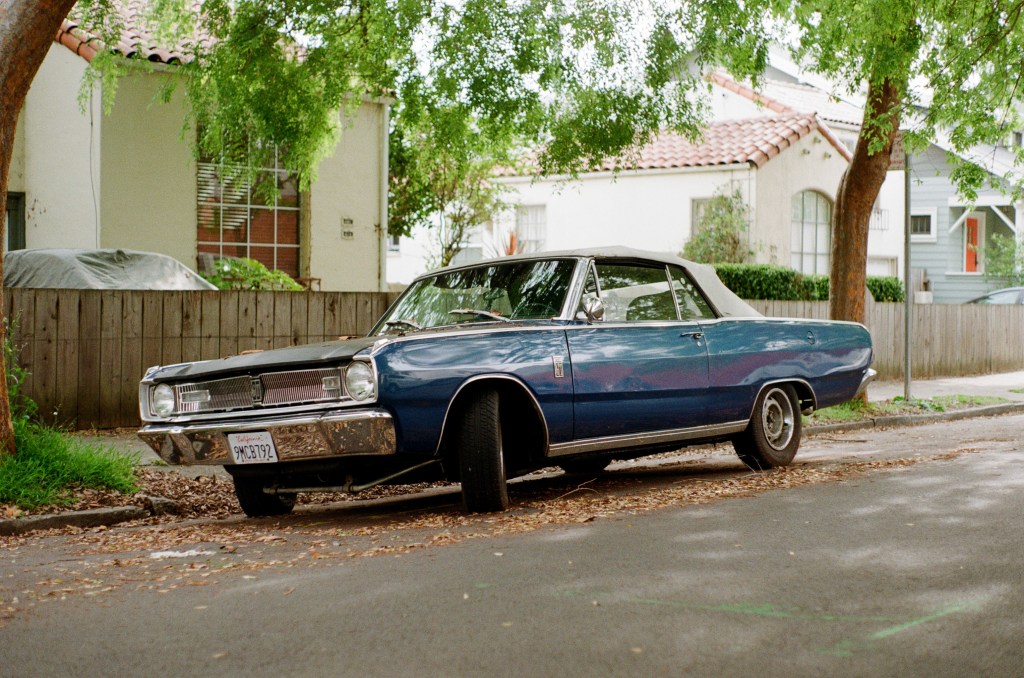
And, yet, after indulging too many record purchases a few weeks ago, I spent a little time walking through Berkeley and North Oakland. I started roaming these streets and shooting them on film also about 15 years ago. I’m surprised, wondered if it would be too gauche to knock on doors to see if I could ask about the story of why, for instance, I still see this 1966 Monterey on the streets in more or less the same shape, if dormant, as the first time I saw it out of my windshield 15 years ago.
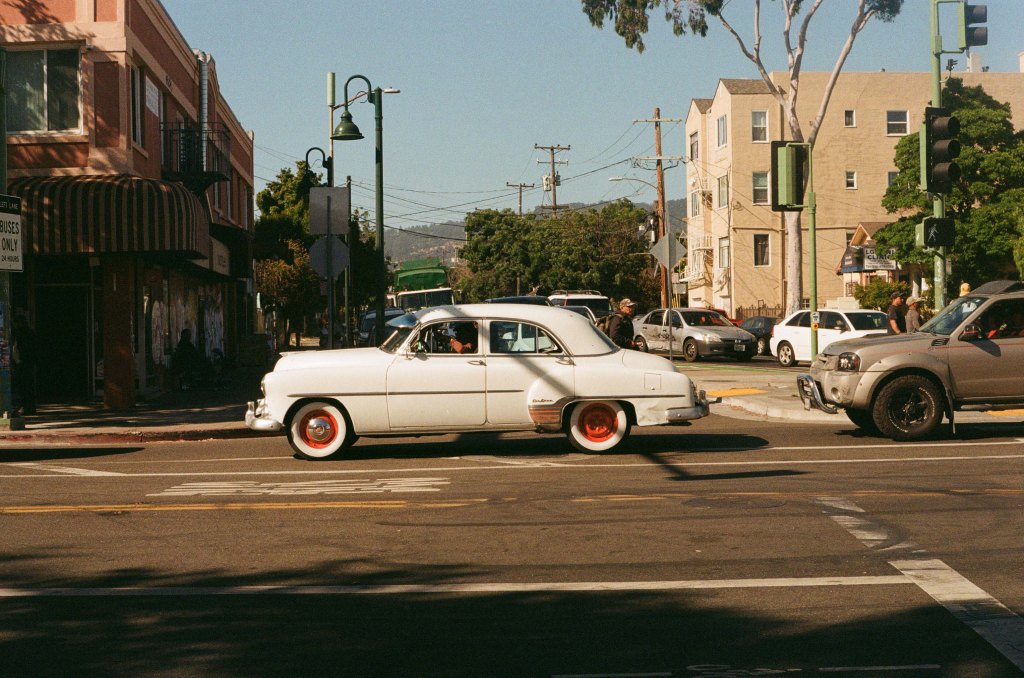
I can also bathe in a small piece of familiarity in a world that I barely recognize these days. It’s slightly amazing, almost like an old neighbor or acquaintance you may occasionally run into at the corner store or the post office. It’s a mirror of how long ago it’s been since you first encountered it. It might make you pause, although it is not yours or in your life in a significantly tangible way, to remind yourself where you’ve been. Reflection helps you ponder where you might go next.
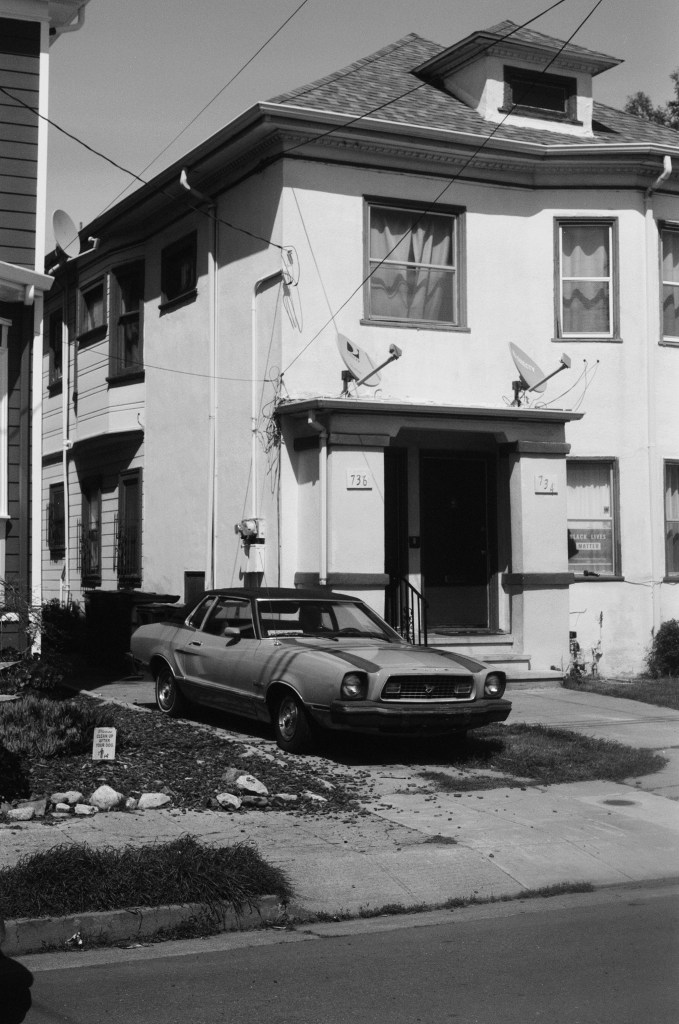
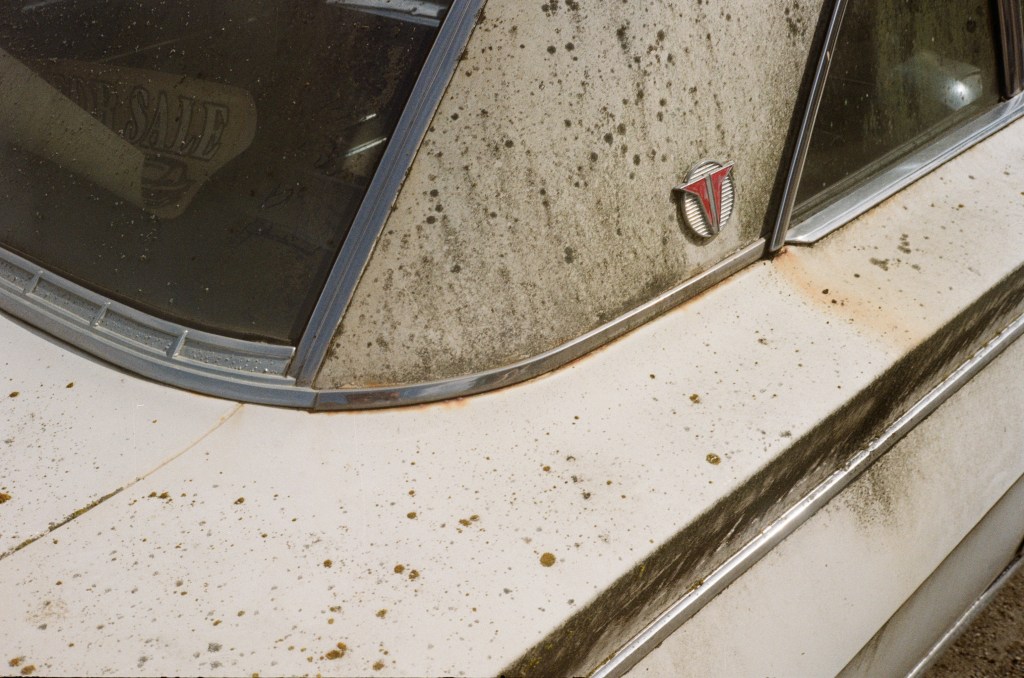
So I made peace with seeing old ‘friends’ once again. Of course, sometimes just as I left them, others weathered with age. I can hope they’re getting the love they deserve. A little keepsake like a photo of an old car on the street reminds me of that there’s so many lies about the constructs of time and what’s possible. Longevity is bolstered by acknowledgement, nurturing, caretaking, perhaps even reverence.
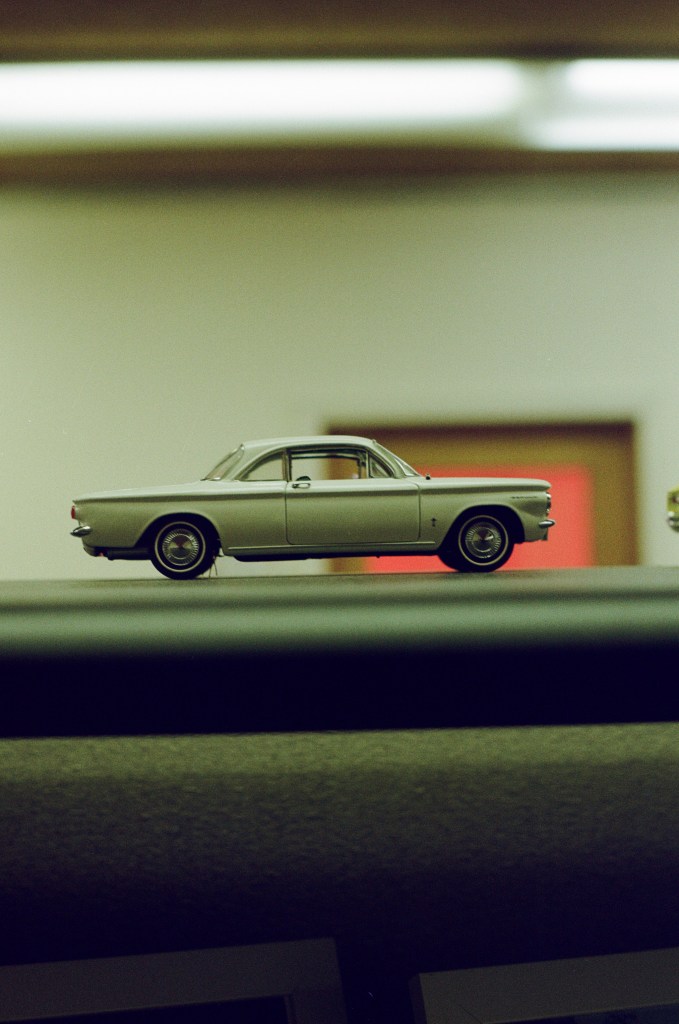
Ironically, as cars have gotten amazingly fast, faster at what they do compared to what infrastructure allows, perhaps an old car is a reminder to do one very important thing: slow down.
