‘Cause yesterday’s over and I’ve got to live for today I’m goin’ places and nothing can stand in my way
Yesterday is over No, they don’t give medals to yesterday’s heroes I know my way now, I’ll never look back from this day on
I mean to borrow one day from tomorrow And I’m gonna spend it on sunshine and things that I love I’m gonna reach out and touch every star up above – Chuck Jackson, 1966
Martha Reeves will soon be 85 years old.
I’ll soon be 44 years old.
I can’t pinpoint the first time I heard “(Love Is Like A) Heatwave.”
Some kids might have been rocked to sleep with lullabies. My earliest sonic memories seemed to be the memorable hooks from the Motor City. I don’t know if it was The Big Chill soundtrack playing in the periphery of my raised by suburban boomer childhood that gave me that first encounter with the saucy song. It also could have been somehow filtering in from the Sunday oldies shows in the Cutlass on the way to Safeway or Macy’s. There’s decidedly many memories I have attached to Ms. Reeves’s voice, stage presence and her stage and oft but not always studio-based rotating roster of singing partners.
Given she made 23 Hot 100 entries under the ‘and the Vandellas’ brand between 1963 and 1971, there’s plenty to choose from. She has a decent grip of solo material to select from as well even if the Motown work seems to stand mighty over everything else released since 1974. There’s not the 12 #1 Billboard Pop hits that her label mates, The Supremes, scored. There are 8 LPs worth of studio recordings, one live LP, one ‘greatest hits’ LP, multiple anthologies and at least two to my memory CD releases of oodles of unreleased tracks that could have fattened their hit parade or provided another competent to stellar LP for them in 1965 and 1967 in particular.
One of my favorite memories was singing with a couple of classmates in the back of the Fagnini family Sedan DeVille, coming back from Outdoor Ed week on the western slope of Redwoods above Pescadero in 1993 to “Jimmy Mack.” In the I-know-all-the-words divaness I have the reputation of taking on myself, I decidedly cast myself as Reeves herself. The rest of the 5 seats coddled in near silent circa 1987 blue leather interior luxury had to decide if they were Rosalind or Annette’s mid 1964 replacement, former Velvelette Betty Kelly.
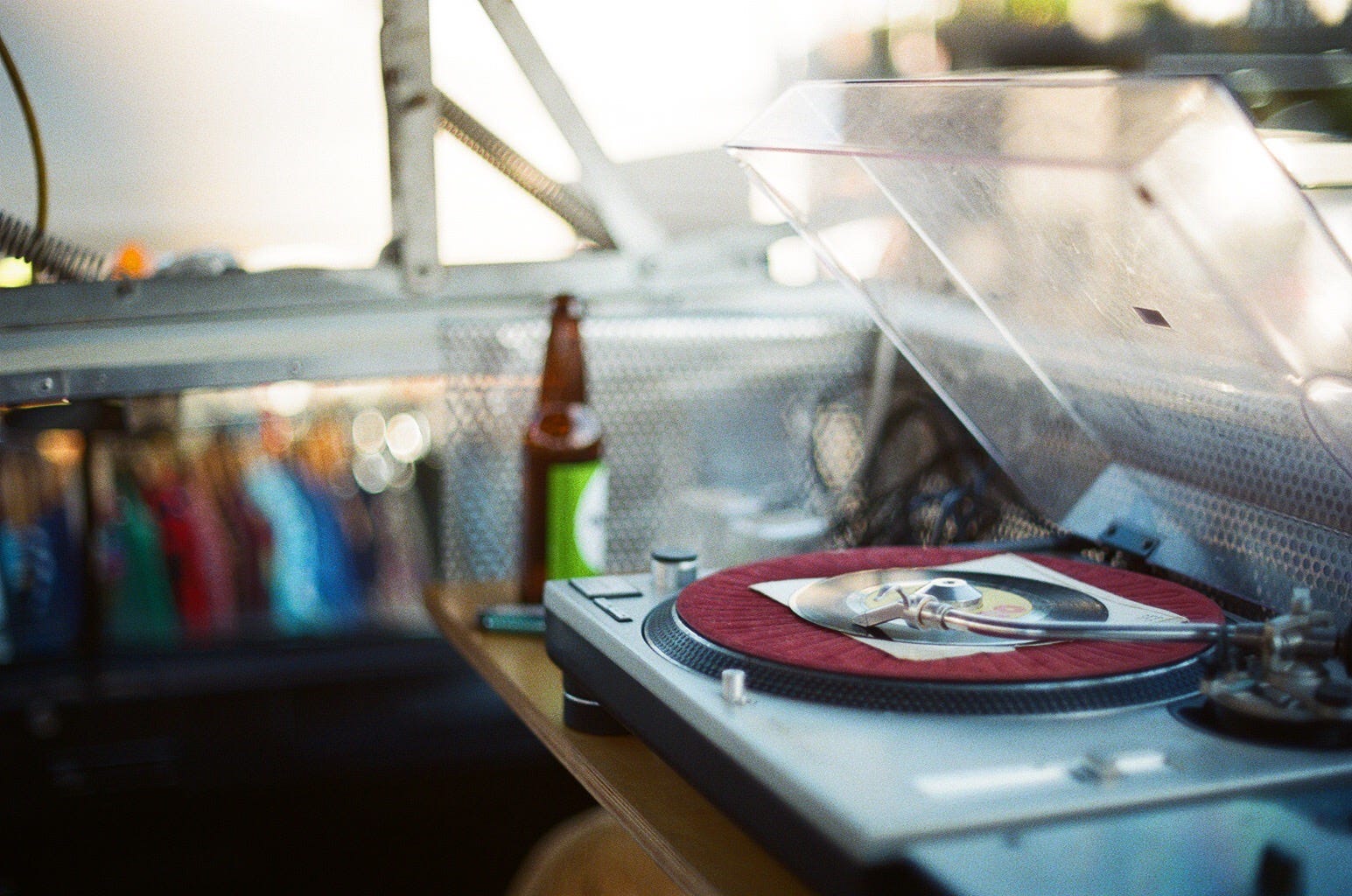
Yes, that’s Brenda Holloway’s cover of “Operator” on the decks but let’s pretend it’s a photo of a Vandellas 45…
Those clueless to the worded response to Martha’s call took on the soaring wordlessness of The Andantes that floated at the top of the Vandellas second #1 R&B hit. Everyone got in on the action for those magical 2 minutes and 46 seconds before the next song lost to memory came on KFRC. I’ll always relish telling that inept Tom Temprano to flip over the 45 rpm single of this chestnut to find “Third Finger, Left Hand” if he was seriously coming up short on wedding songs to play at a wedding DJ gig.
One of the worst memories was singing along to my personal favorite, “Come and Get These Memories” probably within the same time frame. I was playing 4 Square with the girls. My father, worried about my lack of interest in more masculine sports (lol) and ever increasing attachment to the sentiments of girl group hits of his teenage years as I became a teenager must have frightened him. Who knows, he probably suffered at some point some type of consequence for singing along to the song himself, given in crested on the charts 8 months after he turned 18.
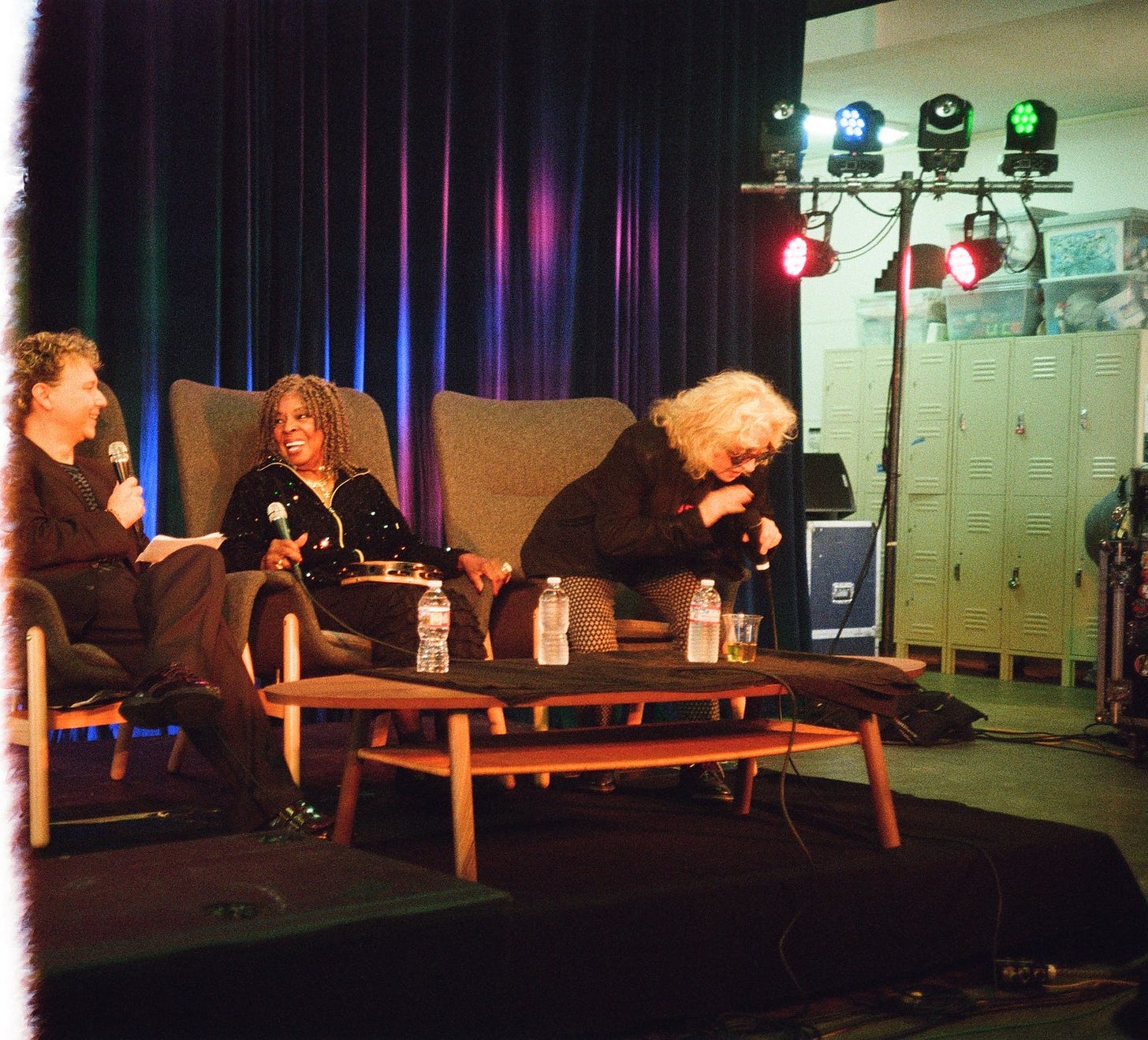
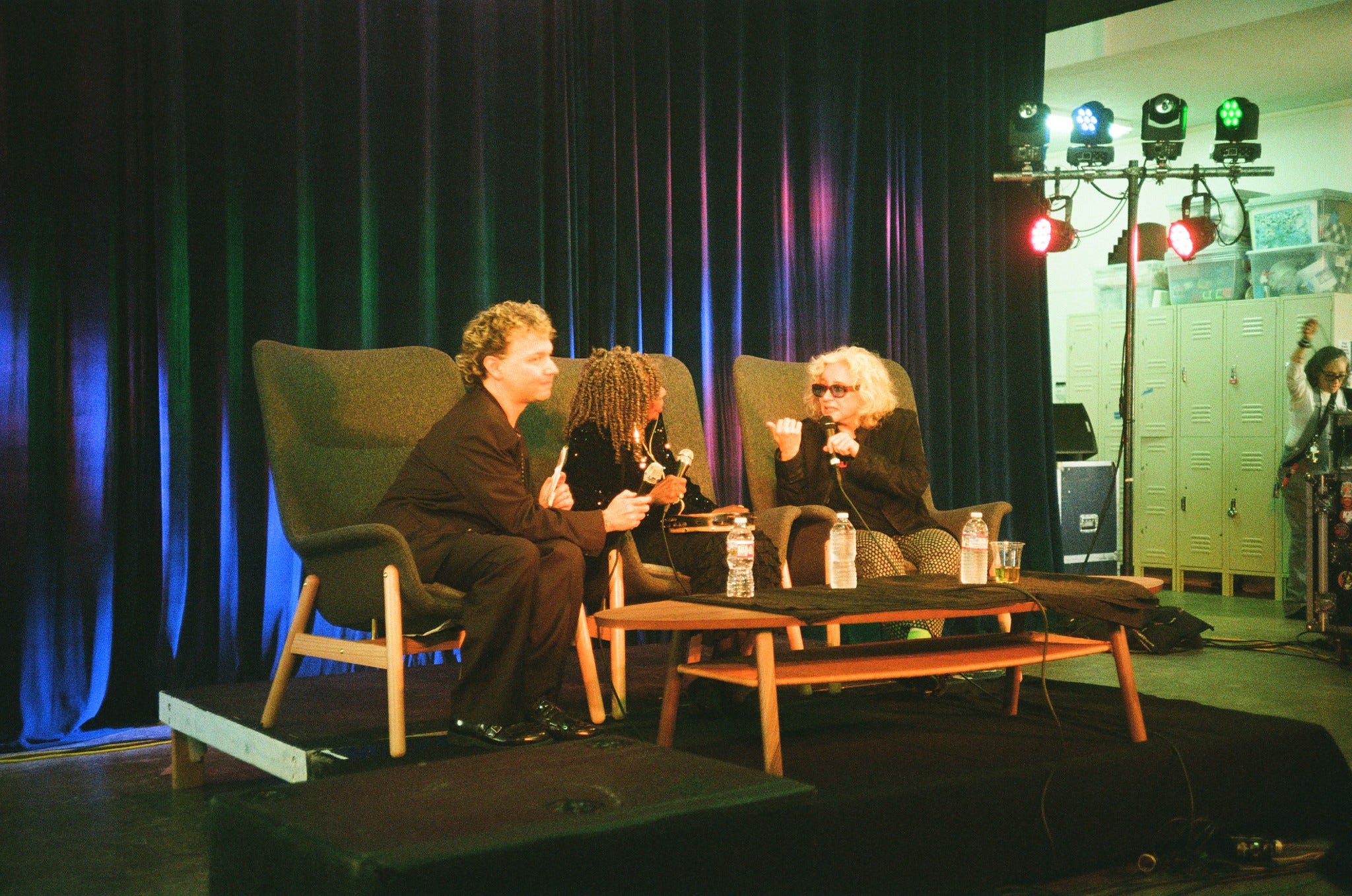
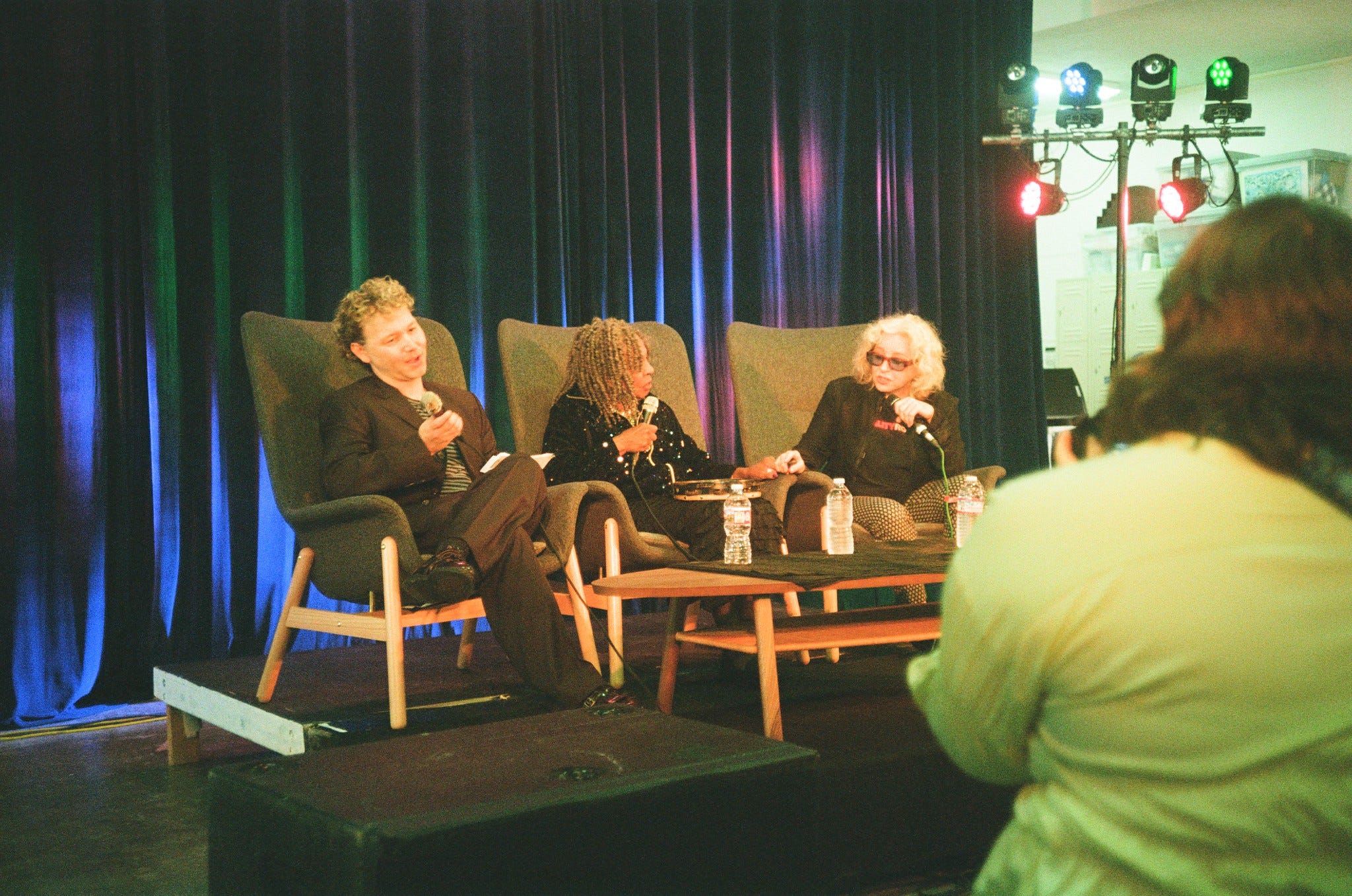
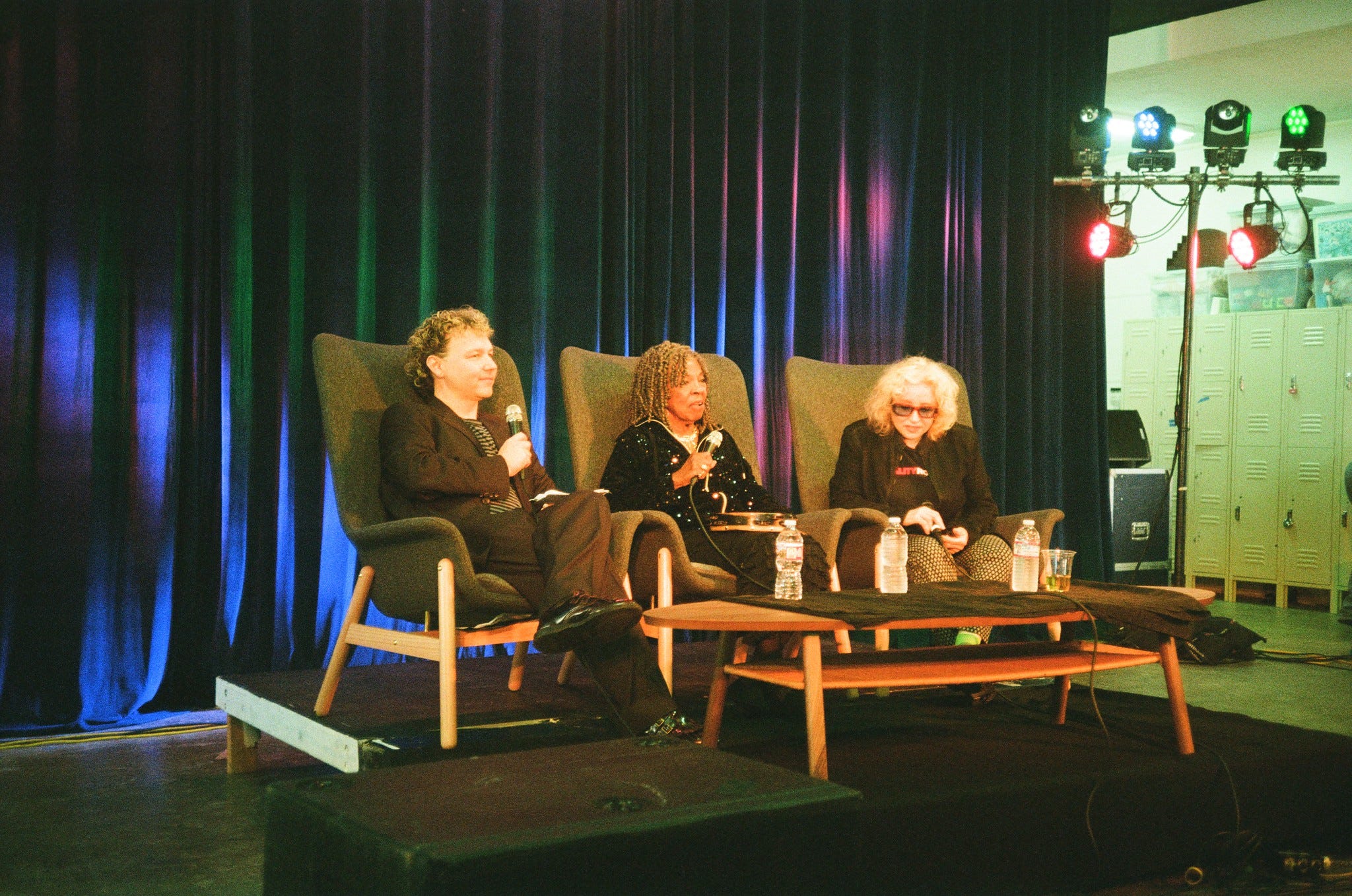
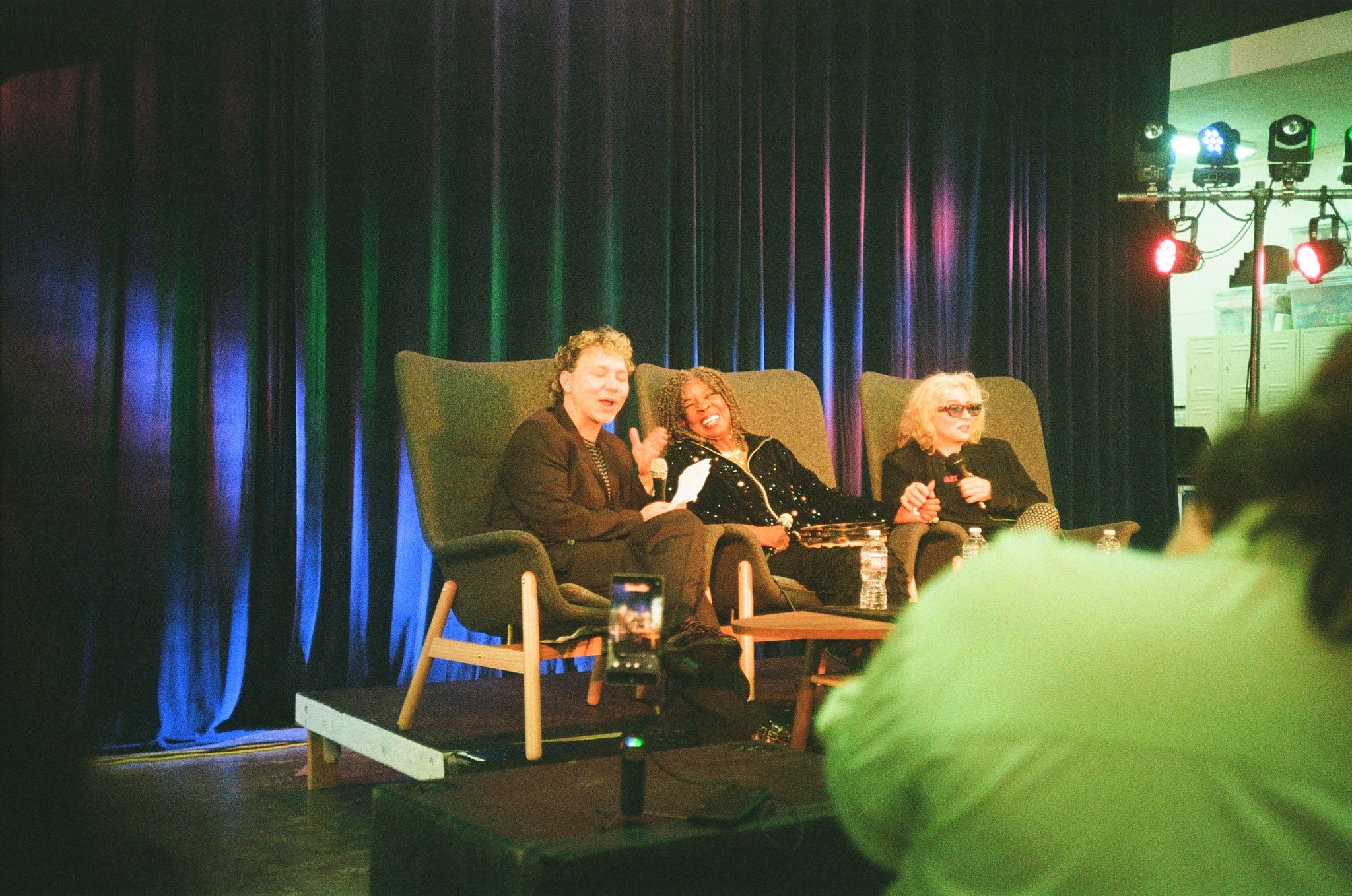
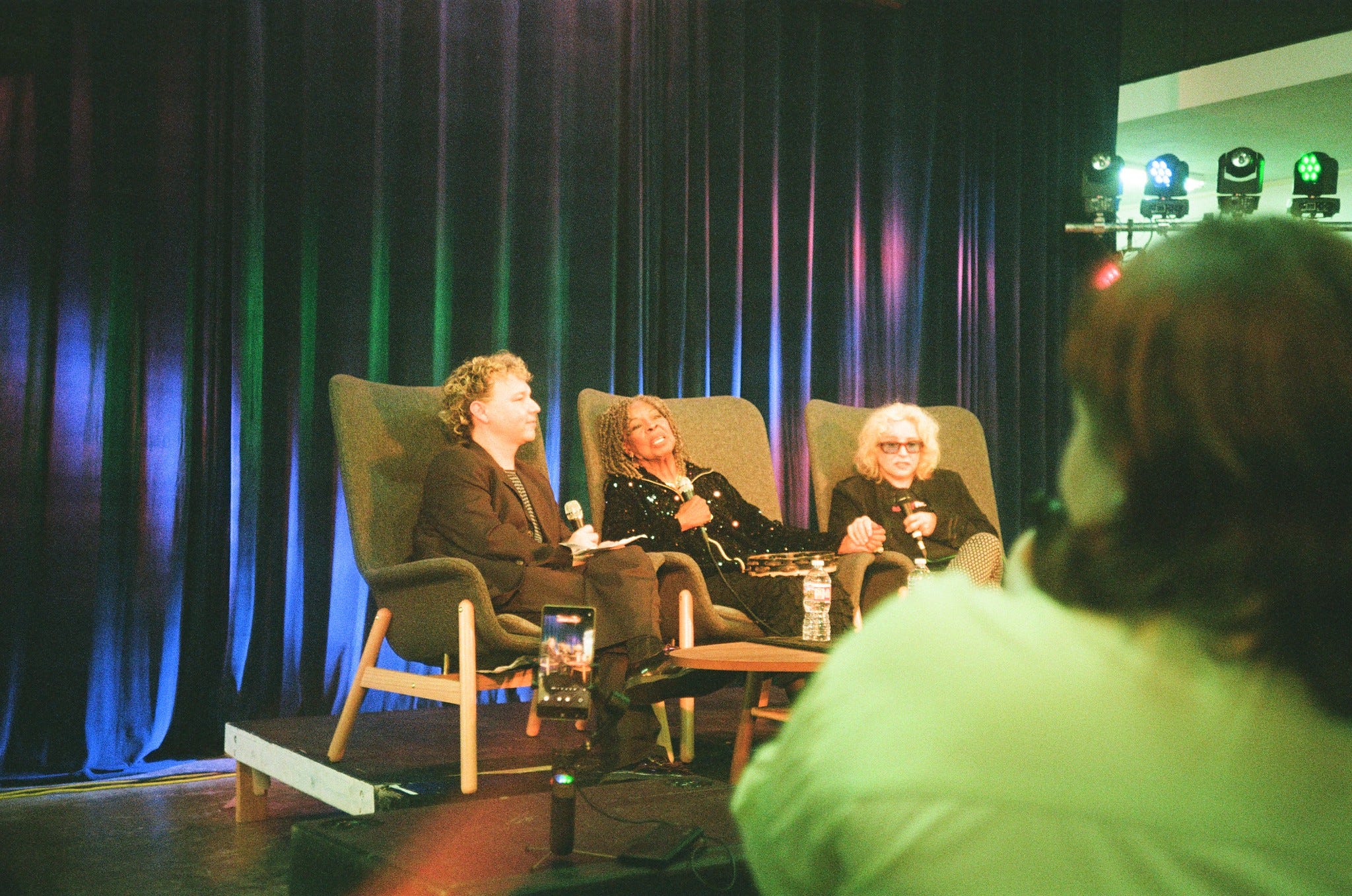
There’ll always be something very queer about Martha & The Vandellas output. This somehow, somewhat delightfully steamrolls and comes into conflict with Reeves being a devout born-again Christian since about 1980 or 1983. Like many of her peers she recognizes any viability and income that comes attached with her fame pays a healthy debt to her queer fanbase. She’s none too shy about those contradictions; She repeatedly teased the panel host about flirting with him despite meeting his husband. I only took offense that such a very bland white gay that clearly didn’t know to just shut up and let her talk about her rapidly approaching 70 years in the ‘biz’ got the flirtations. Perhaps I was jealous that I was 12 feet away rather than just mere inches.
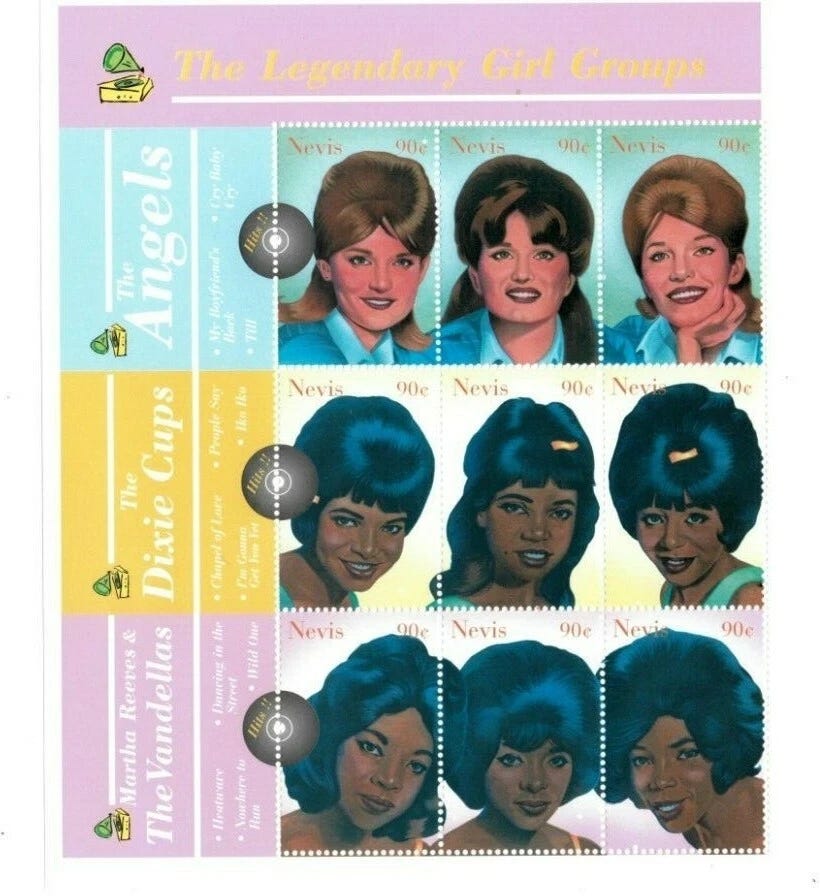
I hadn’t seen Martha Reeves ‘live’ since I was a teenager. She was performing at Santa Cruz Beach Boardwalk after the dual accomplishment of releasing her autobiography, Dancing In The Streets: Confession of A Motown Divaalongside being inducted with the Vandellas into the Rock & Roll Hall of Fame in 1995. If I remember correctly, this was after she, alongside Rosalind Ashford and Annette Beard, had the honor of their images circa 1963, circa the publicity stills for “Heatwave,” appear on postage stamps. She had won a royalty dispute of some value during this period as well. It was perhaps prompted by the Live Wire: The Singles 1962-1972 compilation that brought all of those 23 Hot 100 entries into two CDs with a smattering of B-sides. It took me years to afford a copy of that box set.
This appearance in San Francisco is ahead of her releasing a new album (on streaming and vinyl her manager shouted into the the crowd as we questioned). It’s post her receiving her star on The Hollywood walk of fame, sans the Vandellas. Reeves, altho her singing voice has changed quite a bit in the 63 years since she recorded that firecracker of a Holland-Dozier-Holland tune, started singing “Live Wire” at random in the Haight Street Art Center. She often just randomly would mid-sentence start singing one of her gems, or one of Judy Garland’s. She would half heartedly, almost bittersweetly poke fun at her age and possible senility, steering the conversation to why she doesn’t drive anymore.
“I’d be just driving and be like, what am I doing? Where am I going? Now I just have them order me an Uber or a Skype.”
“You mean a Lyft, Martha…” Gina Schock would try to correct her
“I’m pretty sure it’s a Skype, I know what I said” Martha retorted.
I was disappointed that nobody was brave enough to take on being ‘Vandellas’ until, ironically, she started warbling “Jimmy Mack.” She discussed how it became a passive melancholy cry for lovers longed for and often lost in the escalation of the Vietnam War. We all nodded as we let the “….when are you coming back?” fade from our collective harmonized throats. Motown songs, especially the girl group classics that Reeves, The Supremes, Marvelettes, Velvelettes and the solo efforts by Wells, Weston, Holloway and Terrell that occupy the same sonic and sentimental template among others took on the darker side of love.
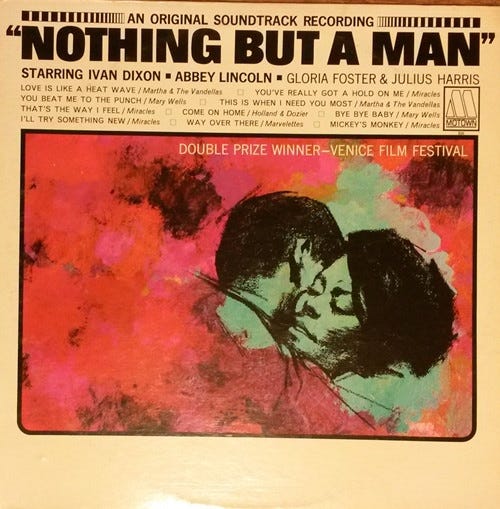
The songs often dealt with dark themes in uptempo, if not always ‘happy’ instrumental settings. It makes for each “Back In My Arms Again” or “My Baby Loves Me” all the more sweet when they were preceded by numbers like “Stop! In The Name of Love” or “You’ve Been In Love Too Long.” People often decry that Motown records were increasingly out of step with the political tumult as the 1960’s went on. Yet Martha and The Vandellas figure prominently not only with hits but album deep cuts on the Nothing But A Man soundtrack from 1964. These ‘mere’ love songs established that the interpersonal often was the result of the external inequities and pressures. We navigate our basic desires to belong and be beloved often against the soul crushing realities of a societal system beyond our control.
For many reasons, the audience didn’t seem really ready to engage with what her current sociopolitical lens is. In fact, that was a constant tension with the mostly white, mostly boomer, mostly aged punk or punk adjacent audience. They were seemingly was lulled into the lecture space with a bunch of white rock that I couldn’t tell you who or why it was being played. It annoyed me given the glut of Reeves’s accomplishments are available on multiple streaming platforms. It decidedly made me one of the last people people chose to sit by. It could have been also that I was one of the few Black people in attendance in general. It annoyed me and would continue to annoy me that it seemed that whatever credibility Schock has as a drummer was the draw for the mostly white crowd despite Reeves far superior credentials and track record of artistic output.
In fact, in reality, she really is a ‘live wire’ herself. As we stood to give her a welcoming standing ovation, I was actually surprised that she didn’t high five the attendees in aisle seats as she sprinted towards the dais to take her seat. Smiles rarely left her face, perhaps reflecting the military precision that Maxine Powell drilled the respectability of Motown’s “Artist Development” (i.e. ‘Finishing School’) into her starting in 1964. Reeves and the Vandellas were always more ‘fun,’ spontaneous and streetwise with their stage dialogue than The Supremes curated dry wit that got them into the Copacabana first. Martha still shows she’s a Detroit girl through and through. There’s no ‘leaving for Los Angeles’ pretense in her presence that “Miss Ross” still gets accused of.
I also was surprised how actually relatively short she is. Sure, she’s 84 going on 85. She’s probably shrunk a few inches. For whatever reason I always assumed she was 5 foot 7, comparable height with Florence Ballard of The Supremes. I also got chided for being the tallest of the gaggle of gays in Philly. I’m often the shortest here in California. Size is always relative. I’ve been surprised when I still see her on TV performing in heels. She wore comfortable black flats to compliment her Black sequined top and long ruffled skirt. She still seems larger than life on TV. Martha’s physicality in person reminded me how diminutive Joan Crawford seemed next to Lucille Ball & Vivian Vance during her notorious 1968 guest spot on The Lucy Show. Far removed from the bouffants of the 60’s or the Afros of the 70’s, now sporting gloriously silver coiled locks, she seems downright petite.
Her speaking voice is not quiet at all.
She rarely lifted the microphone while she spoke during the panel. Her velvety speaking voice basically sounds the same. She perhaps orates with more womanly weight than girlish delight you’d notice in clips of interviews from 60 years ago. Then she laughs at the absurdity of a question, or the absurdity of life in general and you’d think she was 25 years old again, sassing Jerry Blavat before launching into her debut hit single.
She’s a gifted storyteller looking for the ‘right’ audience. Sadly, she never has seemed, past the glory days of the Vandellas to connect with Black audiences. She lags behind in relevance to a weaker degree than all of her fellow Motown comrades of equal or even lesser success did and still does. She’s also notoriously antagonistic to her former singing partners then and now to the same, if not greater degree that ‘Diane’ Ross is.
Save Sandra Tilley, the 2nd and last former Velvelette that rotated into being a Vandella as 1968 turned into 1969, the rest of her Vandellas are still alive, kicking and of equal if not greater spice than Martha herself. Reeves still tours on occasion with her younger sister, and only family member turned official Motown contract holding, Vandella, Lois along with her other sister Delphine.
It’s easier to dismiss your younger sisters as your ‘employees’ that you could fire at random than people outside of your family that have their own autonomy. Reeves has never backed down from this actually true stance. From what I’ve read, after Annette Beard left halfway through her first pregnancy as “Dancing In The Street” was released, she had veto power to ‘dismiss’ Vandellas in a way even Diana Ross didn’t have over Florence Ballard.
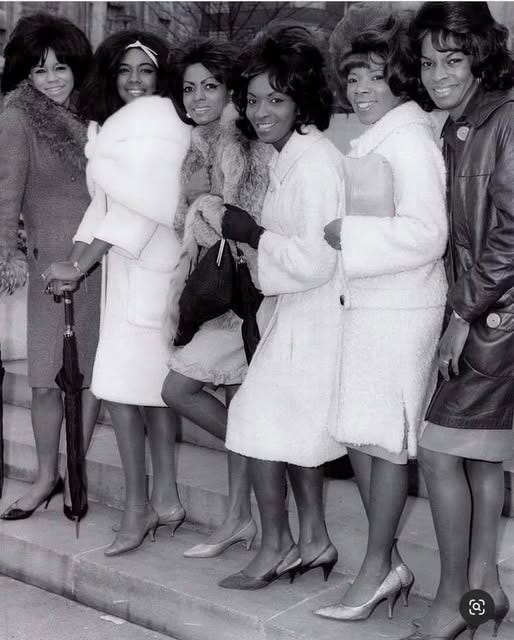
From left to right, Florence Ballard, Mary Wilson, Diana Ross, Betty Kelly, Rosalind Ashford, Martha Reeves in London, England. March, 1965
Flo’s departure from The Supremes came down from the boss and corporate, although she didn’t get much support or pleas to help her stick around from her group mates. David Ruffin’s ejection from The Temptations was a group decision based on the other 4 being sick of Ruffin’s egomanical behavior. Martha was always the ‘star’ and never considered herself a part of the group. Her name always separate from The Vandellas after they stopped getting labeled as support on Marvin Gaye’s earliest singles.
She had cut her teeth in Jazz clubs since 1959 as a soloist and had also been a member of the soon-to-be produced by Curtis Mayfield Fascinations (first group to record “Mama Didn’t Lie,” popularized by Jan Bradley) before sticking with who became The Vandellas. This reads remarkably uncomfortable given how distinctive Rosalind Ashford’s soprano in the background is on the Vandellas records where she’s not totally eliminated by overdubs or substitutions of The Andantes. What would “Nowhere To Run” be without the sardonic reply of Ashford and Betty Kelly against Martha’s neurotic lead? No cover version has had success at portraying that delightfully claustrophobic vocal arrangement on record or live.
She actually chastised Gina Schock’s declarations of white feminist solidarity. She dismissed the notion that women always work in solidarity. She didn’t bother really referencing or name checking any of the various Vandellas, even her sisters. Only time she really acknowledged the Vandellas was discussing how the name came up. It wasn’t because they ‘stole’ attention from the background on those aforementioned early hits for Marvin Gaye.
Van comes from Van Dyke Avenue in Detroit.
Della is a tribute to the late, great Della Reese. Reeves actually described Reese, without accompaniment, belting out a stirring version of “Amazing Grace” seemingly also without a microphone. There’s endless clips of Reese on The Ed Sullivan Showfrom the early to mid 60’s that prove Della could have been the tornado that swooped up Judy Garland’s Dorothy from the future. It’s clear Reeves’s biggest regret that she won’t say is that she wishes she was seen as an individual performer after all this time. It not so secretly gets under her skin that she’ll always be Martha Reeves “of Martha and The Vandellas.”
I probably did myself a great disservice towards making myself in anyway familiar to the self proclaimed diva. I presented the Martha and The Vandellas Live! LP to Miss Reeves to autograph. It was recorded in early June, 1967. There’s articles that document that Reeves and Betty Kelly were openly beefing on and offstage during this period. Despite the cracking live set documented on tape then released on vinyl, Kelly was dismissed at the end of the month. The LP hit the stores in September, boosted by the fact that their latest summer hit, “Love Bug Leave My Heart Alone” made it to #25 pop at the same time.
I had asked her earlier during the unfortunately short Q&A session:
“Miss Reeves, life long fan and a delight to finally get to talk to you. My question is, if you were to steal someone else’s song, which song would it be?”
There was some “ooh, sookie sookie now from the few other Black folks in the audience. I think we all thought she’d go straight for one of the Holland-Dozier-Holland songs The Supremes or Four Tops got. I said it knowing that “Going Down For The Third Time” was taken from Martha only to become a B-side to “Reflections” off of The Supremes Sing Holland-Dozier-Holland album. She got “One Way Out” as a substitution exchange which, similarly, rode the B-side of “Love Bug” tellingly as both singles were topside swan song vocal appearances for the respective Supreme and Vandella dismissed during the “Summer of Love.”
“ ‘Evergreen’ by Barbra Streisand”
This was the quick, almost stunningly surprising answer Miss Reeves gave me and the room back.
Again, she launched into singing the song, then for whatever reason, closed out the Q&A singing the Judy Garland version “You Made Me Love You.” There was a harsh truth as I only went to the Thursday artist talk, not the Friday artist talk and performance. The bill for Friday night was filled with a sea of white women under 30 that were being mentored by Schock. There were no Black women in the room of any age. If my brain fog is correct, the only femme of color was a Filipina soft butch with the copy of the LP I thought of bringing, the criminally underrated Watchout!from 1966. As she forced Reeves to sign multiple pieces of memorabilia, she relentlessly tried to pry more details out of Reeves about Dusty Springfield.
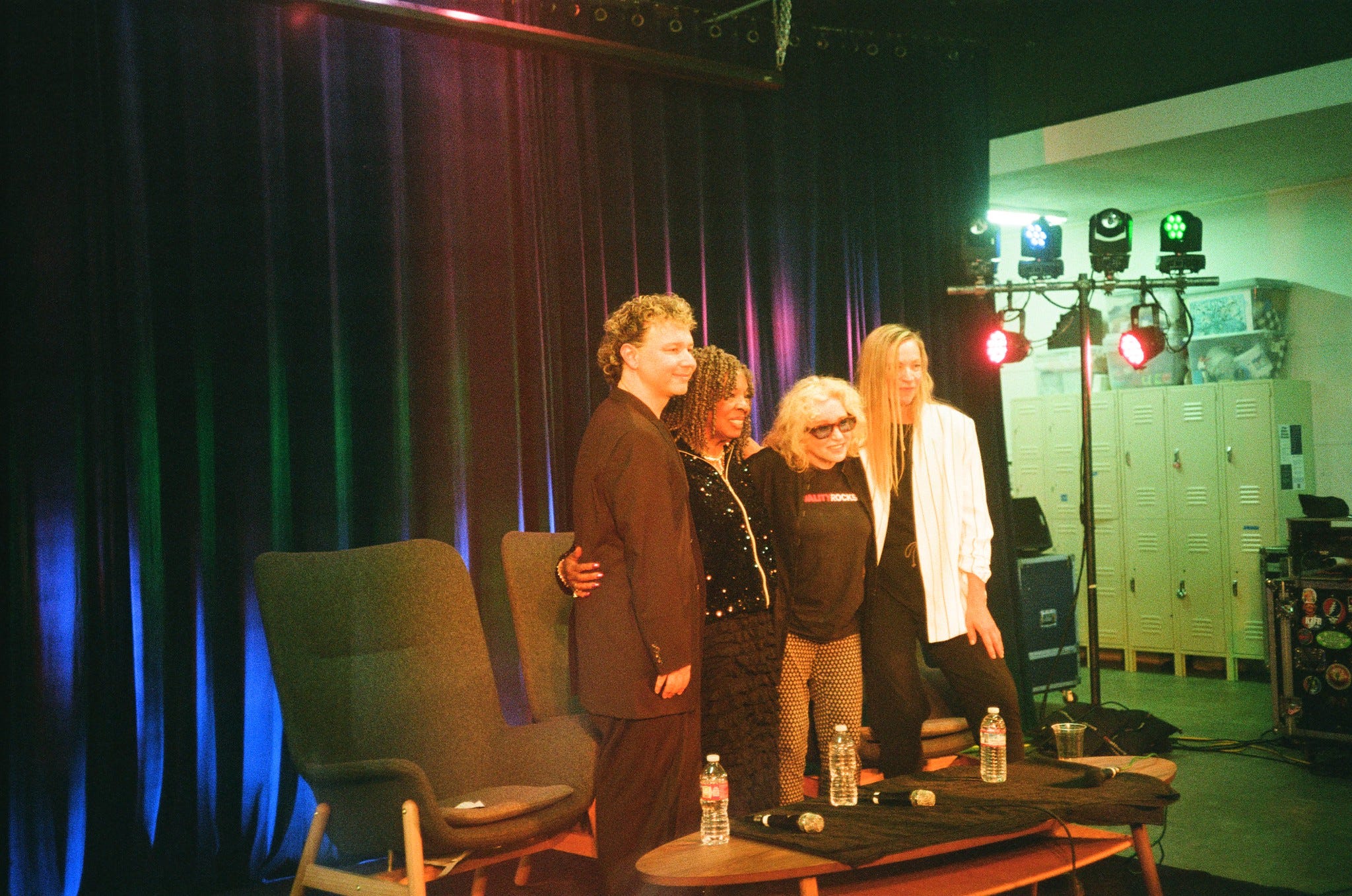
The connection for years has made people question Reeves and her long standing lesbian fanbase to the point it Reeves addressed it 30 years ago in her autobiography. The annoying host made a bigger deal of their now legendary duet of “Wishin’ & Hopin’” on the Sounds of Motown special from March of 1965 than any other surviving archival footage of Reeves with the Vandellas or not. I cringed at the fact that Reeves relevancy has so much to do with white adjacency. I knew better not to ask ‘that’ question. I knew it was best to be lucky to get less than 18 inches away from Martha Reeves’s remarkably young looking and vibrant skin and get her autograph. I accepted that all the white fans got to gather around her, crowding me out to get selfies they asked me to take.
Reeves even asked to see the results of what I took on other people’s phones before I handed their phones back to them. She chastised me for stooping down to get a dead ahead picture of her and her fans. It seems she prefers the ‘selfie stick’ angle that too many boomers are terminally addicted to. I justified it in that she’s the diva, and a Cancer with a Taurus Moon to boot, still holding court for some type of audience nearly 70 years after she got paid to perform for her first. Who am I to say to this old Black woman of stature about sociopolitical structures and white supremacy when I’ve accomplished nowhere near what she has?
I have yet to have bullets of law enforcement or the Klu Klux Klan (who truly knows) be fired at me for wanting to use the bathroom while being on a relentless tour of 94 one nighters through then segregated parts of the United States. Granted, most of the country is still segregated but we avoid such discussions in polite company moreso now than then. I was born 20 years after she endured that life at 21 years of age. I haven’t sang publicly for money or attention in maybe 13 years. It seems hypocritical to critique her when it’s often her songs I’ve reached for first when I want to fancy myself an entertainer anyways.
They say you shouldn’t meet your heroes, but I’m glad I met one of mine. It’s a shame I didn’t bring her flowers. I hope there’s a next time. I’m forever blessed that she made a literal mark on me and left me with memories that’ll come back time and time again from a little room on a bitingly cold, windy evening in a city I’ve come to loathe. It was beautiful to get to smile and lock eyes with someone that sang of a pain and pleasure you’d eventually experience in that city.
She sang of wisdom I needed before I knew I needed it. Regardless of how she sees or presents herself, the music she recorded in partnership with people she doesn’t acknowledge still fills my heart with the possibility of a love that’ll eventually work out. I’m just lucky I’ve never had to fake dial my phone to lie about a non-existent boyfriend to get a stranger that wanted to fuck out of my bed because, well, listen to them lyrics to “Quicksand.” I’ve been known to meet some true milkers and creamers out there that have ‘“pulled me in closer” in the passion of the moment. She sang it just like Eddie Holland did for the guide vocal. Now I’ve got QUESTIONS for Eddie Holland that I know I’ll never get answers to.
Time Capsule or actual human being, who knows. Laurence Jones has been sifting through ephemera of the past seemingly forever, spinning vinyl for you, taking film photography and entertaining you with instagram posts of the decrepit old cars they own. You can find previous writing by them at djlarsupreme.com and medium.com
View all posts by Laurence Jones